Visa Direct, the money movement platform of Visa, is aiming for a partner-led service launch in the Philippines within the next six months, Visa Philippines country manager Jeffrey Navarro said at a media briefing in Manila on October 22. Visa has set no timeline for stablecoin-based transfers in the country.
The planned service uses conventional currencies and lets banks, remittance companies and other financial institutions send money across borders to eligible bank accounts, cards and digital wallets. Bank of the Philippine Islands, an existing Visa partner, has said it plans to add outbound international transfers to its mobile app by the first quarter of 2027. Qinwen Xiao, head of Visa Direct for regional Southeast Asia, said stablecoin use in the Philippines would depend on the readiness of local financial institutions, regulators and consumers. Visa moved its stablecoin prefunding service from pilot to commercial use on October 15, with Inyo Global as the first production partner.
Visa’s Money Travels 2026 survey, run by Morning Consult across 20 markets and including 3,101 Filipino adults, shows how early consumer adoption is:
- 42% of Filipino respondents were aware of stablecoins, and about 20% had some knowledge of how they work
- 2% of respondents who used international transfer services had made a stablecoin transaction
- 38% trusted stablecoin remittances, against 79% for conventional digital transfers and 81% for cash-based remittances
Why it matters: For Philippine banks and remittance firms, the six-month Visa Direct target is the change customers will see first, while stablecoin transfers wait on consumer trust as much as on regulation. The survey also favours issuers with official backing: 70% of Filipino respondents said they trust government institutions or central banks to handle digital currencies, compared with 68% for global payment networks and 59% for commercial banks.
Source: The Philippine Star, October 25, 2026; Philippine Daily Inquirer, October 23, 2026
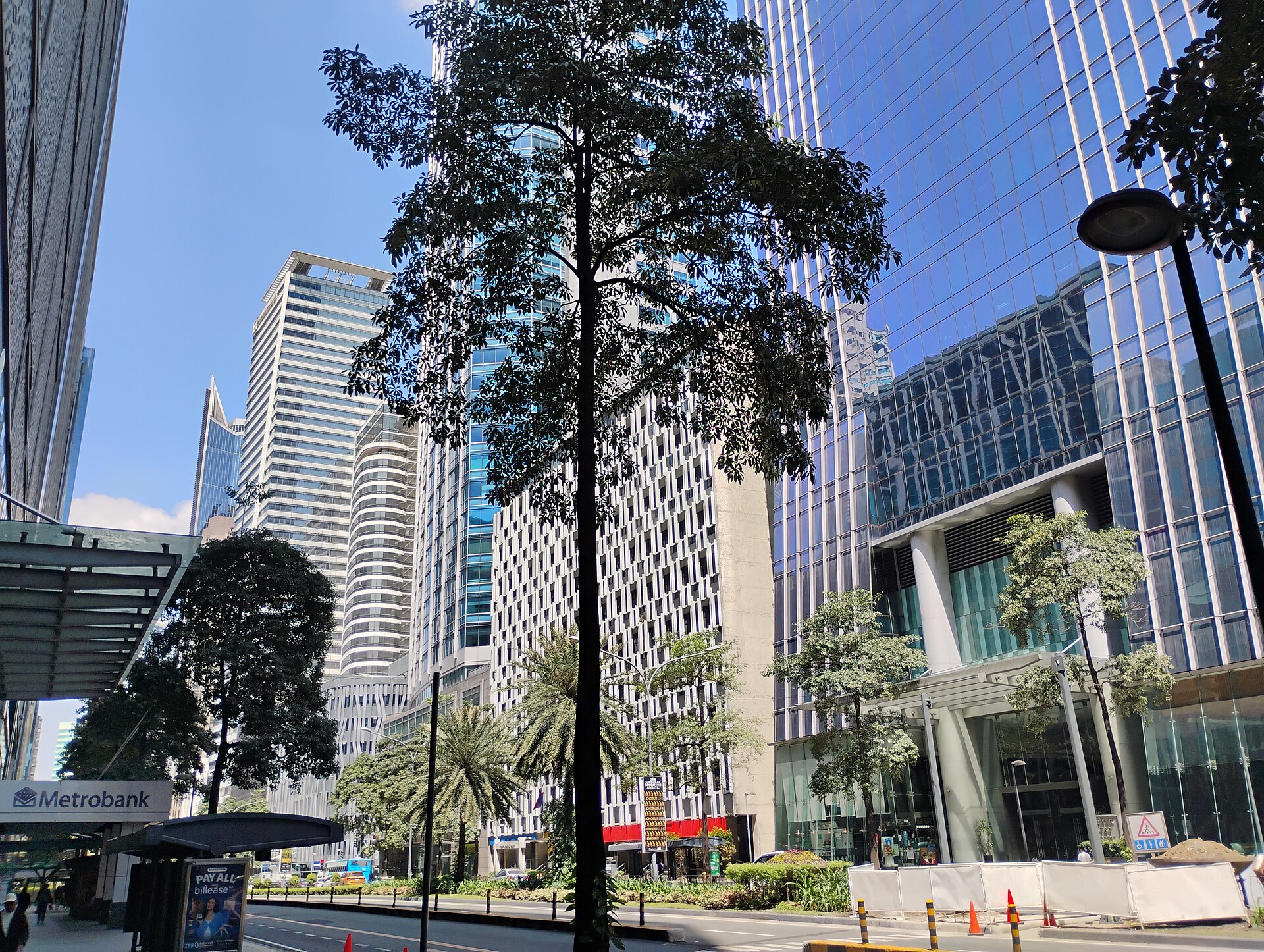
Image: Ralff Nestor Nacor, CC BY-SA 4.0, via Wikimedia Commons