The Monetary Authority of Singapore published a MAS quantum-safe migration proposal on November 6, setting out what it expects financial institutions to do before quantum computers can break the public-key cryptography that banks use today. Consultation Paper P019-2026 proposes a circular for all financial institutions in Singapore, with comments due by November 23.
The circular would not be legally binding, but it sets supervisory expectations in five areas: board-level ownership of the work, an inventory of every cryptographic asset in use, a risk-based migration plan approved by the board, phased testing and roll-out, and progress tracking with quantitative targets. New systems bought would have to support quantum-safe algorithms or be upgradable to them in time. The paper builds on a February 2024 MAS advisory on quantum risk.
The paper gives indicative dates, and firms that cannot meet them would have to document why and apply interim controls. The proposed timeline:
- December 31, 2027: all financial institutions have a quantum-safe migration plan
- June 30, 2027: domestic systemically important banks, critical information infrastructure owners and NETS submit plans to MAS
- December 31, 2029: critical information infrastructure systems migrated
- December 31, 2030: critical systems migrated at all institutions
- December 31, 2034: all remaining systems migrated
Why it matters: Until now, quantum preparation in Singapore was advisory, and most banks could leave it behind more urgent technology projects. Dated supervisory expectations change the budget conversation, because a board-approved plan due in about 14 months forces institutions to count how much RSA and elliptic-curve cryptography sits in their systems and in their vendors’ products. The Hong Kong Monetary Authority gave banks a post-quantum cryptography toolkit on November 2, so regional groups running both markets will want one programme that satisfies both supervisors.
Source: MAS Consultation Paper P019-2026, November 6, 2026; Central Banking, November 6, 2026
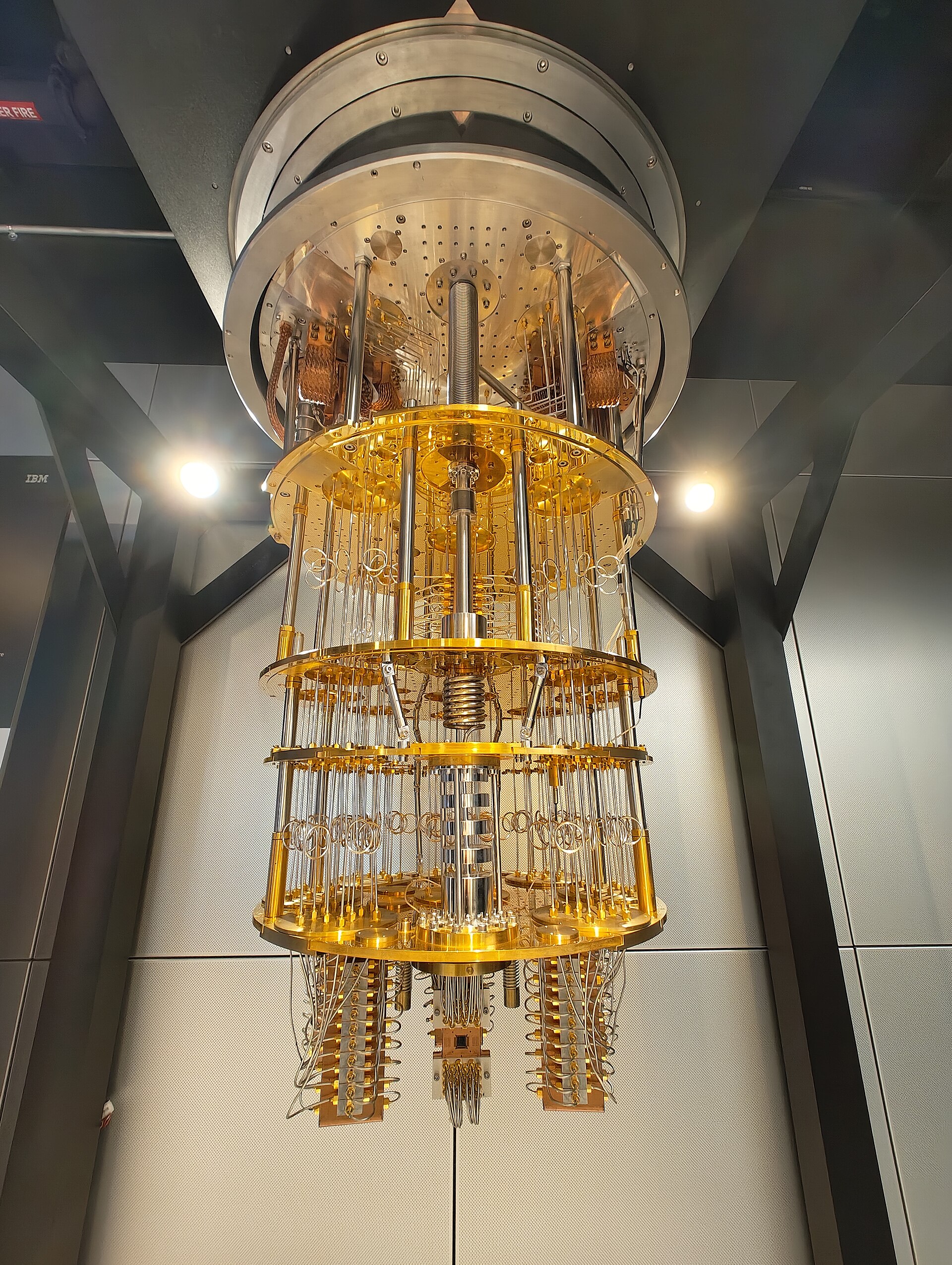
Image: OJB Quantum, CC BY 4.0, via Wikimedia Commons