
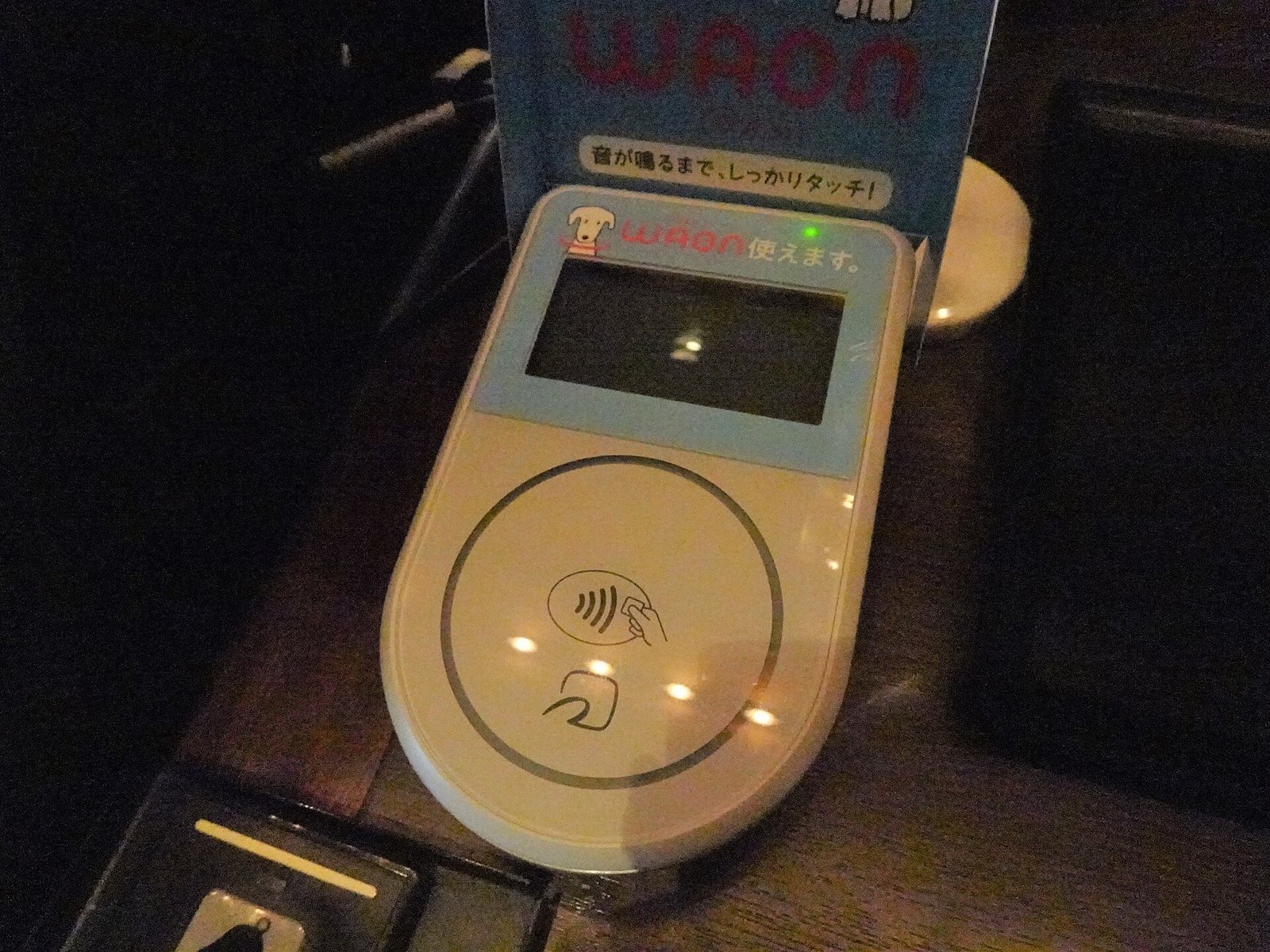
Debit card payments in Japan passed prepaid IC e-money such as Suica, PASMO, WAON and nanaco by value in the first half of 2026, according to Bank of Japan (BOJ) figures reported by Nikkei on November 21. Debit spending reached ¥3.2272 trillion from January to June, against ¥2.7957 trillion for e-money.
Nikkei put the half-year debit total at about double the level of the same period three years earlier. It tied the rise to banks raising point rewards on debit cards linked directly to customer accounts as they compete for deposits.
BOJ quarterly data show debit spending of ¥1.6579 trillion in April to June, up 28.1% from a year earlier, across 417 million transactions averaging ¥3,975. IC e-money handled about 1.37 billion payments in the same quarter at roughly ¥1,030 each, and its monthly value fell year on year in every month from September 2025 to August 2026. The e-money series excludes train fares, while the debit series includes overseas merchants and overseas ATM use; Mastercard joined the debit survey in the second quarter of 2025.
- Debit, January to June 2026: ¥3.2272 trillion
- IC e-money, January to June 2026: ¥2.7957 trillion
- Debit growth, April to June: 28.1% year on year
- Average payment, April to June: ¥3,975 debit, about ¥1,030 e-money
Why it matters: Japanese banks want to hold the account where salaries land, and a debit card that pays points on every purchase gives customers a reason to keep balances there now that deposits earn interest again. Prepaid e-money balances sit with railways and retailers, so every yen loaded onto a card leaves the banking system until it is spent. Both trail credit cards by a wide margin: METI counted ¥134.6 trillion of credit card spending out of a ¥162.7 trillion cashless total in 2025, against ¥5.5 trillion for debit.
Source: Nikkei, November 21, 2026; Bank of Japan Payment and Settlement Statistics, September 2026; no-genkin.com, November 21, 2026
Image: RuinDig/Yuki Uchida, CC BY 4.0, via Wikimedia Commons