What happened
Four separate announcements between November 18 and November 24 showed how Asian regulators and payment firms plan to keep AI payment agents inside hard spending and identity rules. In Singapore, Green Link Digital Bank, AXS, HSBC Singapore and Terminal 3 reported on November 24 that they had completed a proof of concept under the Monetary Authority of Singapore (MAS) PathFin.ai initiative. The trial tested how banks and billers verify an AI agent’s identity, check its client mandate and log every decision before money moves.
On the same day in India, Cashfree Payments launched an invite-only beta of Cashfree Wallet, a prepaid account that lets personal AI agents settle utility and mobile bills within user-set caps. Days earlier, South Korea’s Hyundai Card and J.P. Morgan’s Kinexys unit tested AI agents executing simulated foreign-exchange transfers in Frankfurt, while the Reserve Bank of Australia (RBA) told card networks and platforms on November 19 that dual-network debit routing rules apply to agent-initiated checkouts.
Background and numbers
The recent trials and product launches split along retail bill payments, corporate treasury and card routing:
- MAS PathFin.ai trial (Singapore): Green Link Digital Bank, HSBC Singapore, bill-payment operator AXS and identity firm Terminal 3 ran two controlled scenarios under MAS’s Safeguards for Agentic Finance at Runtime framework. One scenario had an agent check a biller account and submit a bill payment instruction, while the second had a registered third-party agent request corporate treasury data and seek client confirmation before payment. AXS said it opened its biller network to AI partners through an MCP server.
- Cashfree Wallet (India): More than 100 AI agents and bot builders integrated at launch on November 24, Cashfree said. Users load the prepaid wallet via UPI, cards or net banking, set a total rupee budget, a payment-count cap and an expiry window, and never expose underlying card or bank credentials to the agent. Cashfree told Business Standard that AI-agent checkout traffic on its gateway has grown 16 times since April 2026.
- Hyundai Card and Kinexys (South Korea): In a test environment with no live value moved, a Hyundai Card AI agent monitored a euro deposit account in Frankfurt, compared exchange quotes and asked a Kinexys agent to convert sterling into euros under a digitally signed corporate mandate.
- RBA Payments System Board (Australia): Following its November 19 meeting, the board stated that dual-network debit cards carrying eftpos alongside Visa or Mastercard should remain available in every form factor, including credentials stored by shopping agents.
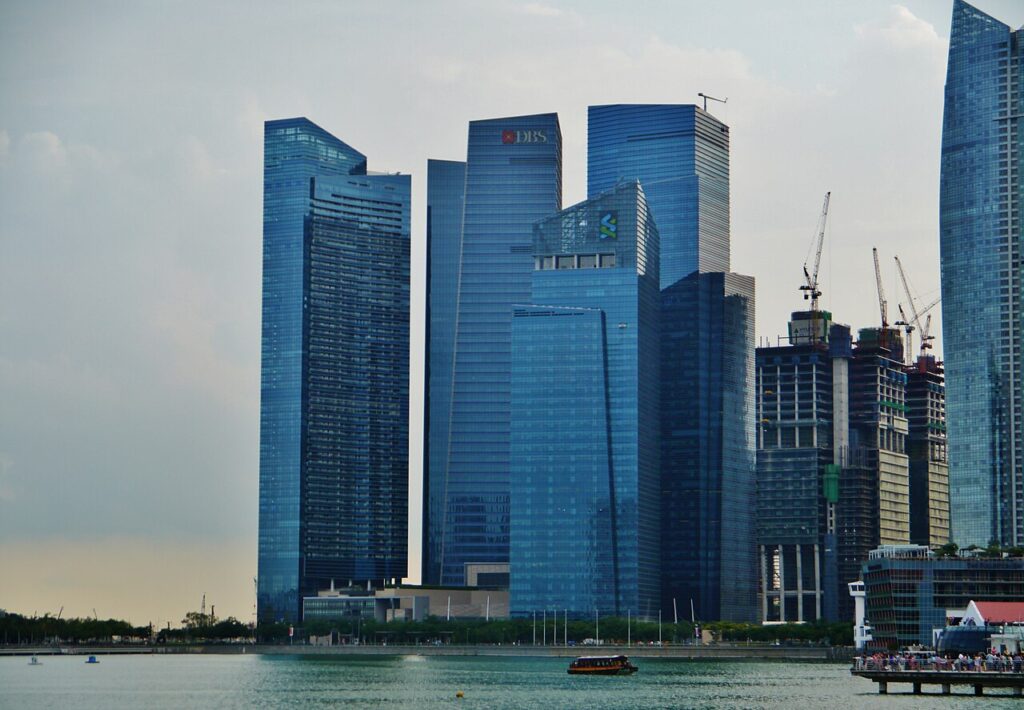
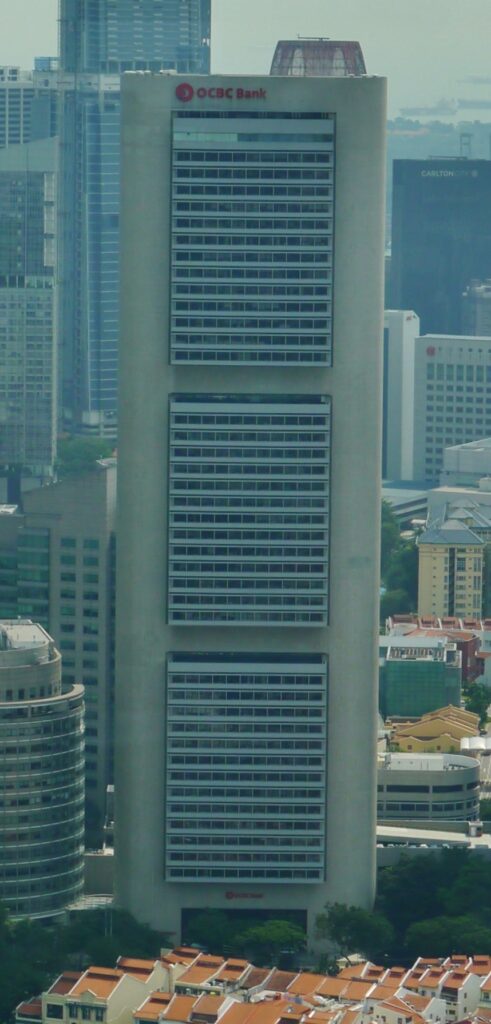
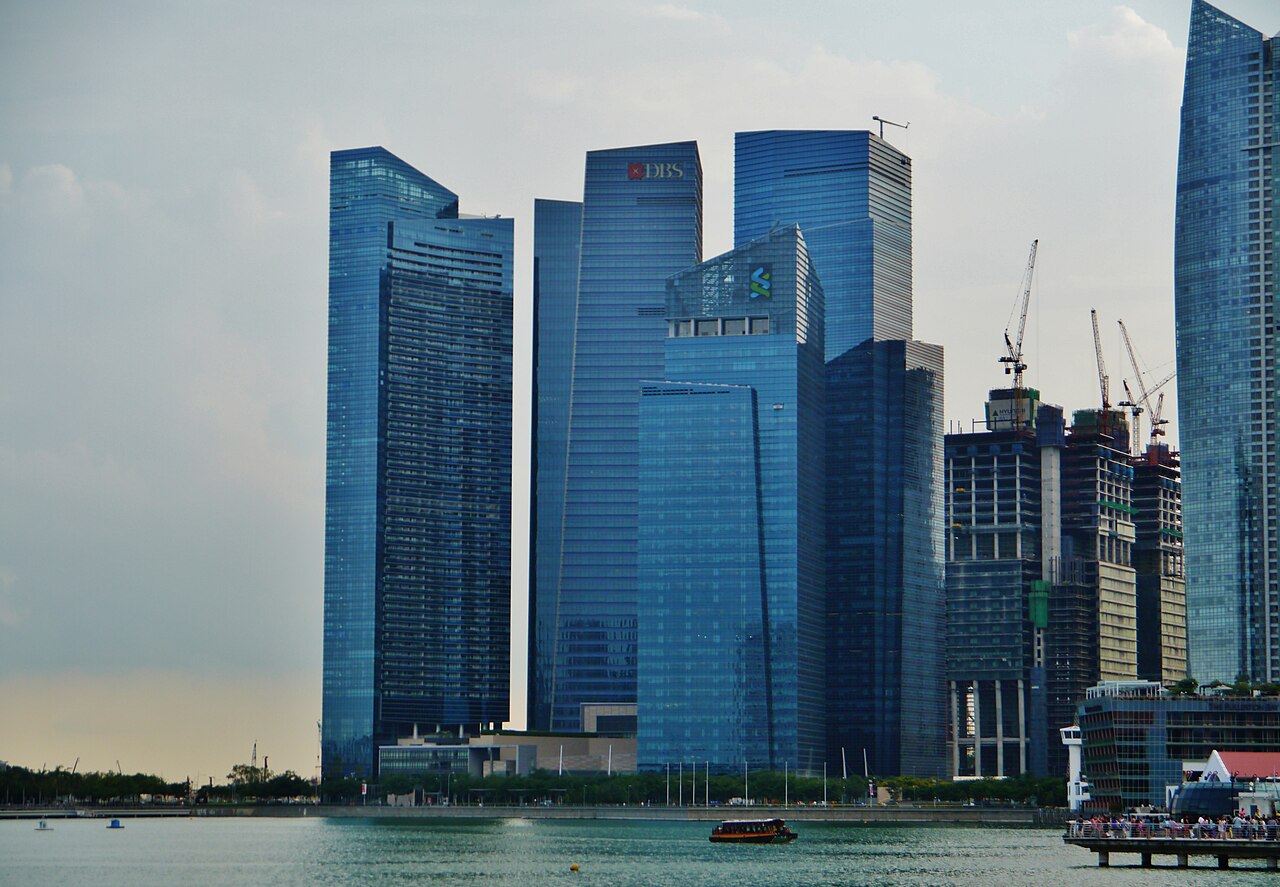
Central banks are backing these tests with formal supervision. On November 18, MAS chairman Gan Kim Yong announced three national AI missions for finance, including an Agentic Money Sandbox inside the new Future of Finance Institute with DBS, OCBC, Standard Chartered and UOB as launch bank partners. The Hong Kong Monetary Authority runs a parallel track under Project SAGE.
What it means and what to watch
Every model in the November wave separates an agent’s reasoning from the underlying bank account or card number. Terminal 3 chief executive Gary Liu said rules and credentials must be protected from tampering even by the agent itself, and Cashfree enforces that boundary by restricting agents to a pre-funded balance and verified billers on its own merchant list. That architecture lowers fraud exposure when an agent misreads a prompt, though it restricts where users can spend until merchant coverage expands.
Cross-institutional trust remains the main technical gap. Kinexys warned in its November paper that a mandate approved inside one bank does not automatically carry authority at another institution, which is why MAS and AXS are testing shared verification layers before autonomous payments scale beyond utility bills. Over the next six months, MAS’s Agentic Money Sandbox is set to test common mandate standards in early 2027, Cashfree plans to add travel and e-commerce payments by year-end, and the RBA’s year-end review will clarify how agentic wallets fit Australia’s debit routing rules.
Why it matters: Banks and payment gateways in Asia are putting prepaid caps, signed mandates and least-cost routing rules in place before autonomous agents handle large commercial flows. Firms that rely on screen-scraping or raw stored card numbers face growing pushback from regulators in Singapore, Australia and India, while compliant platforms gain a regulated path to automate recurring bills and corporate cash management.
Sources: Terminal 3 / PR Newswire, November 24, 2026; Fintech News Singapore, November 24, 2026; Cashfree Payments, November 24, 2026; Business Standard, November 24, 2026; J.P. Morgan and Hyundai Card coverage; Reserve Bank of Australia coverage
Image: Zairon, CC BY-SA 4.0, via Wikimedia Commons