South Korea’s Financial Services Commission (FSC) unveiled the legislative draft of its Digital Asset Basic Act on November 24 after a Virtual Asset Committee meeting in Seoul. The bill replaces the term virtual assets with digital assets and brings won stablecoins, crypto exchanges and custodians under bank-style licensing and governance.
Under the bill, domestic issuers of won stablecoins, defined as digital payment tokens, must hold at least KRW5 billion in equity capital, back tokens in full with liquid reserves and pay no interest to holders. At launch, only consortia in which banks hold a majority stake of more than 50% may issue them, though fintech firms can join and become the largest single shareholder under decree rules. The bill divides industry licensing into trading, brokerage, custody and asset management, and allows domestic token offerings once white papers pass review.
Exchanges designated as digital asset platform operators face a 20% cap on major shareholder stakes, rising to 34% for financial institutions with FSC approval. Excess shares lose voting rights, and existing exchanges get three years to comply, with up to three extra years for smaller venues. Exchanges also take no-fault liability for hacking or system outages and face fines of up to 10% of revenue for security breaches. Korea Herald noted that Mirae Asset Consulting owns 97.15% of Digital X, formerly Korbit, and that Naver Financial plans a full share swap for Upbit operator Dunamu.
Why it matters: Bank-majority control gives the Bank of Korea a direct handle on won stablecoin reserves while the Finance Ministry weighs foreign-exchange law updates for cross-border transfers. The 20% ownership ceiling forces large corporate buyers such as Mirae Asset and Naver Financial to restructure or seek exemptions before holding exchange licences long term.
Source: Financial Services Commission (Korea), November 24, 2026; The Korea Herald, November 24, 2026; Yonhap News Agency, November 24, 2026; The Kukmin Daily, November 24, 2026
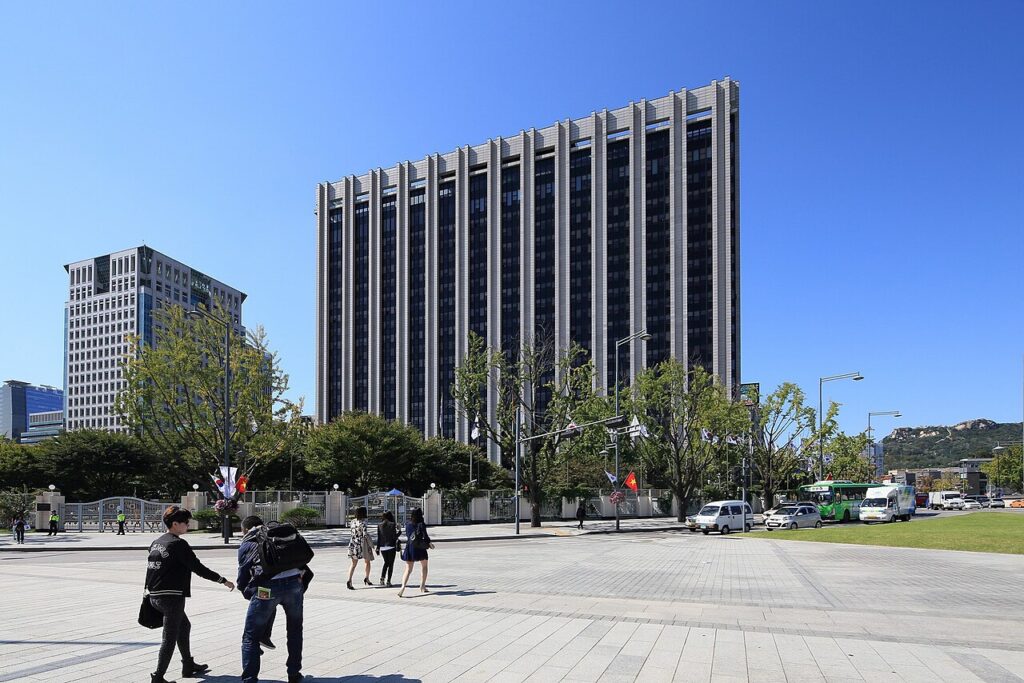
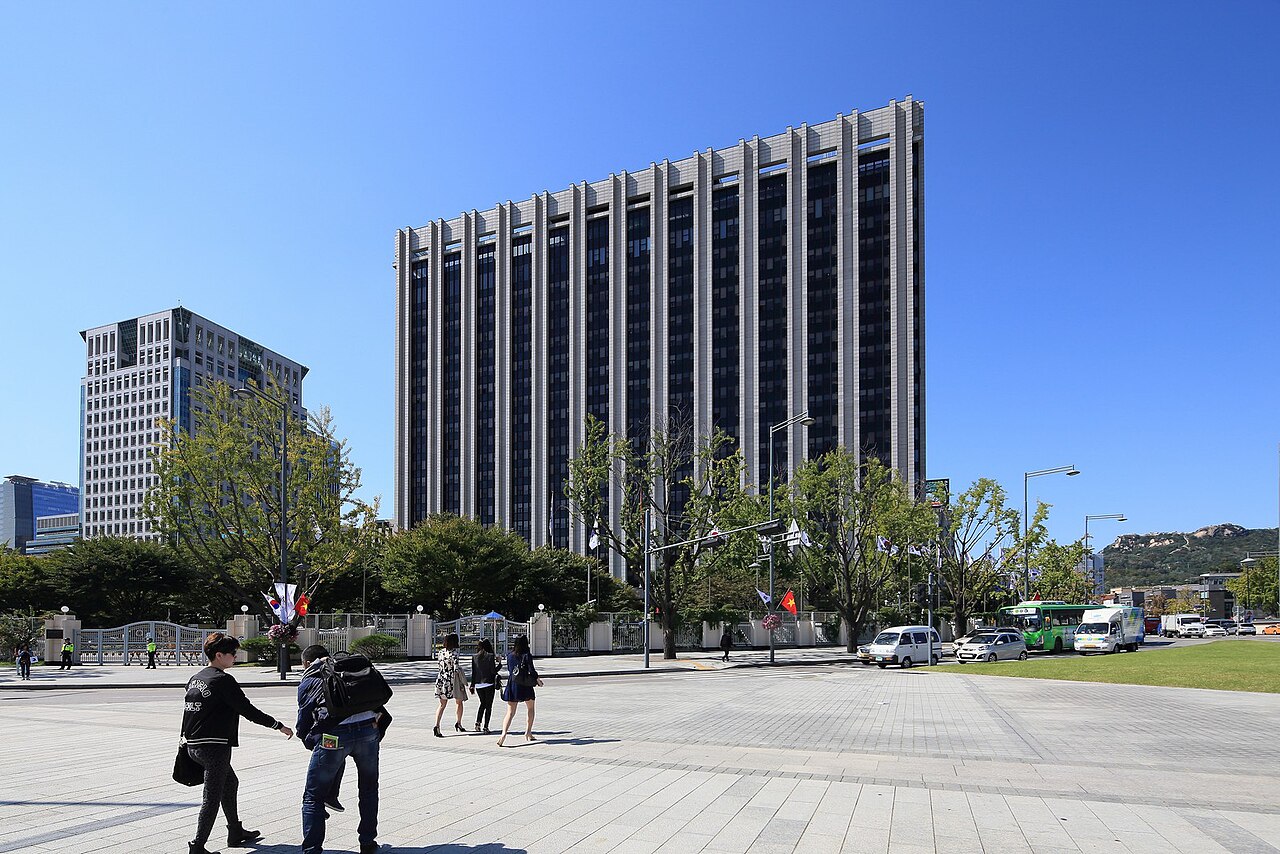
Image: Seoul Institute, CC BY 4.0, via Wikimedia Commons