
What happened
Between October 20 and October 26, banks and payment firms in four Asian markets announced at least seven steps that bring stablecoins closer to shop counters and payment apps. HSBC began a phased launch of HSBC RedCoin, its Hong Kong dollar token, inside PayMe on October 23. Three days later Anchorpoint, the Standard Chartered-led venture, said it plans a retail token on a public blockchain but gave no date. In Singapore, StraitsX signed with Visa to issue stablecoin-backed cards in more than 100 markets, and the Monetary Authority of Singapore (MAS) brought Bank Negara Malaysia and the Bank of Thailand into its BLOOM initiative for cross-border digital money.
Korean financial groups made the most moves. Shinhan Card signed with two SBI Holdings units to link yen stablecoins to in-store card payments, and Hana Financial disclosed a settlement trial with Upbit operator Dunamu. SBJ Bank, the Japanese subsidiary of Shinhan Bank, also signed a memorandum of understanding on October 20 with yen stablecoin issuer JPYC and LINE NEXT.
The background and the numbers
Regulation explains who is moving first. Japan put a stablecoin framework in place in June 2023, and Seoul Economic Daily reports that Shinhan is using SBJ, a wholly owned bank that has operated in Japan since September 2009, to test procedures that Korea does not yet allow at home. In the SBJ pilot, SBJ supplies accounts, JPYC handles issuance and redemption, and LINE NEXT provides its Unify wallet. Korea has no won stablecoin law: the Bank of Korea plans a Foreign Exchange Transactions Act amendment this year, and Hana says it will launch only once a framework exists.
Singapore is closer to final rules. MAS consulted from September 1 to October 16 on Payment Services Act amendments under which only licensed issuers may call their tokens “MAS-regulated stablecoins”. The regime covers single-currency coins pegged to the Singapore dollar or a G10 currency. The draft bans interest on those tokens, requires stress tests and wind-down plans, and proposes to recognise a limited number of foreign-issued stablecoins for cross-border wholesale use. MAS says it expects to authorise or recognise only a limited number of stablecoins. Tokens outside the regime stay under the digital payment token rules, which forbid incentives to trade and payment by locally issued credit cards.
Hong Kong has the largest retail launch so far. RedCoin starts with an addressable base of more than 3.3 million PayMe users, but it first supports only person-to-person transfers and payments to PayMe merchants. Anchorpoint launched its institutional product in August and had said a retail version could follow as early as the end of 2026; chief executive Dominic Maffei declined to confirm that timing and said the venture sees no benefit in rushing.
What it means and what to watch
Each of these designs puts the token behind an interface customers already use: PayMe, a LINE wallet, a Visa card or a card linked to an Upbit account. The customer sees almost no change at the till, while settlement for the merchant and the bank moves onto a blockchain. That gives incumbents with large wallets and card bases a head start over stand-alone issuers, and it explains why StraitsX went to Visa for distribution.
The next markers come from regulators. MAS has said it will consult separately on subsidiary legislation, which will set the operating detail for issuers. In Seoul, Financial Services Commission chairman Lee Eog-weon said on October 23 that talks on the Digital Asset Basic Act were nearing completion. In Hong Kong, the test is whether Anchorpoint and other issuers follow HSBC into consumer wallets before the end of the year.
Why it matters: The first winners in Asian stablecoin payments look set to be banks with existing wallets and licences in more than one market: HSBC reached 3.3 million potential users on day one, and Shinhan can run its yen trials in Japan while the Korean bill is still being drafted. Cross-border use is harder, since Shinhan Card’s Japan to Korea trial and StraitsX’s 100-market card push both need tokens accepted outside the market that licensed them. BLOOM, now with three central banks, is the forum where MAS is trying to settle that question for Southeast Asia.
Sources: South China Morning Post, October 23; Fintech News Hong Kong, October 26; Visa press release, October 26; MAS media release on BLOOM, October 23; MAS media release on the stablecoin consultation, September 1; Seoul Economic Daily, October 26; SBI Holdings press release, October 21; The Asia Business Daily, October 23; The Block, October 23
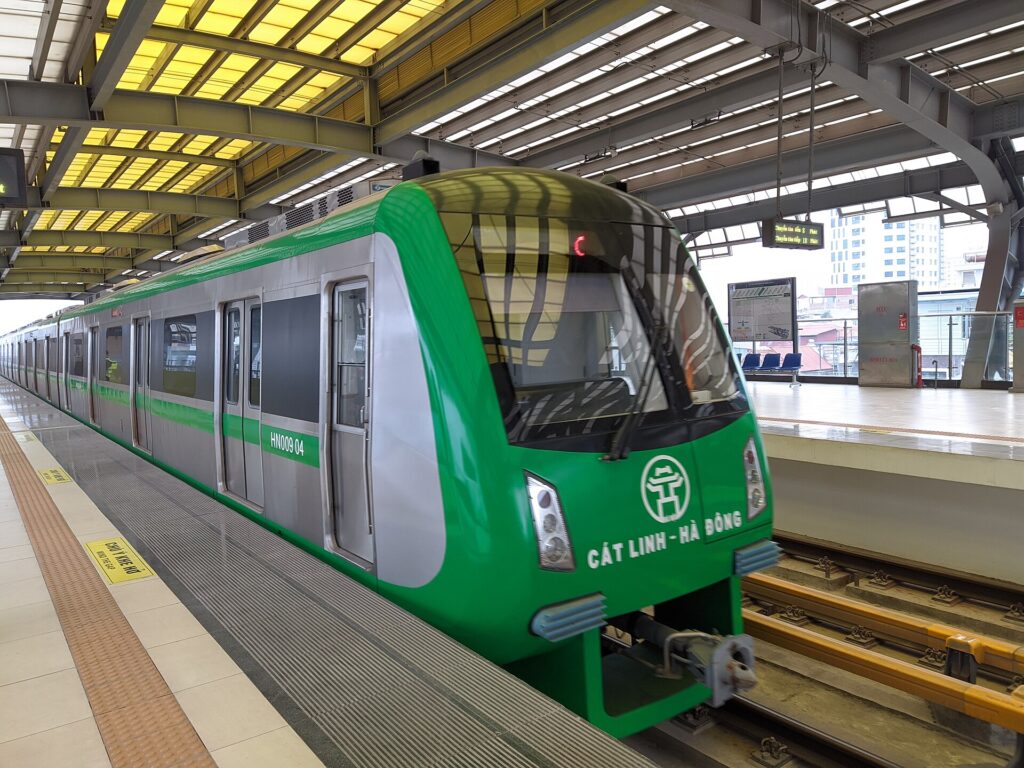
Image: Benh LIEU SONG, CC BY-SA 4.0, via Wikimedia Commons