What happened
Cross-border QR payments and payouts in Asia gained five new links in the eight days to November 2, and every one of them runs through UnionPay International (UPI) or Ant International’s Alipay+. On October 27, Hong Leong Bank (HLB) said its customers could pay at more than 120 million UnionPay and Weixin Pay QR merchants in China from the HLB Connect app, with no transaction fees, through UPI. A day later, Payments Network Malaysia (PayNet) opened outbound DuitNow QR payments through Alipay+, so that users of the Maybank, CIMB and HLB apps could pay in mainland China, Hong Kong, South Korea, the Philippines and Laos.
On November 2, CIMB said its OCTO app now covers nine markets for DuitNow QR after adding the five Alipay+ destinations, and the Hong Kong Monetary Authority (HKMA) said the Faster Payment System (FPS) will link with UPI by the end of 2026. The same day, Singapore-based Thunes said payment firms on its network can now send instant payouts to UnionPay cards issued by 79 Chinese banks, up to US$10,000 per recipient per day.
The background and numbers
Until this year, most Southeast Asian QR links were bilateral agreements between national schemes. DuitNow QR already connected with the domestic schemes of Singapore, Thailand and Indonesia, and each of those links needed its own arrangement. The Alipay+ route gave PayNet five markets through one gateway connection. The figures behind the push:
- Nearly 30 million cross-border transactions processed by PayNet in 2025, about 150% more than in 2024 (PayNet)
- More than 500,000 cross-border DuitNow QR transactions on CIMB OCTO as of September 2026, up over 150% year on year (CIMB, via The Star)
- More than 2 billion user accounts and over 150 million merchants connected through Alipay+ (Ant International, via The Star)
- More than 100 million merchants under UnionPay and its partner networks in Hong Kong, the Chinese mainland and over 40 other markets, to be reachable by FPS users (HKMA)
Money is also moving the other way. Thunes said remittances into the mainland had been held back by low daily caps, which forced senders to split larger transfers across several days. On October 29, Tencent and Visa signed a memorandum of understanding that includes widening remittances into Weixin Pay through Visa Direct, though neither company gave dates.
What it means and what to watch
For banks, the attraction is keeping the customer inside the bank’s own app. A Malaysian traveller in Shanghai no longer has to open a separate wallet or top up a third-party account, and with HLB the currency conversion also stays with the bank. For UPI and Alipay+, each new bank or scheme connection adds users at the point of sale without the cost of recruiting merchants.
Several questions are still open. Apart from the HLB fee waiver, none of the releases set out the exchange rate margins or fees that users will pay, so costs are hard to compare across banks. The HKMA has a year-end target for the FPS link but no launch date. PayNet said more banks, e-wallets and markets will follow, and Bank Islam is due to join its Alipay+ service soon.
Why it matters: Regional QR integration in Southeast Asia began as a central bank project built on bilateral links between national schemes. In the past week, most of the new reach came from two commercial networks instead, with China as the main destination, and PayNet added five markets in a single step. The terms for those payments, including merchant coverage and pricing in each market, are now set by UPI and Ant International, and PayNet’s next transaction figures and the FPS launch date will show how much traffic these routes carry.
Sources: Hong Leong Bank, October 27, 2026; PayNet via Business Wire, October 28, 2026; The Star, November 2, 2026; HKMA, November 2, 2026; Thunes, November 2, 2026; Tencent, October 29, 2026
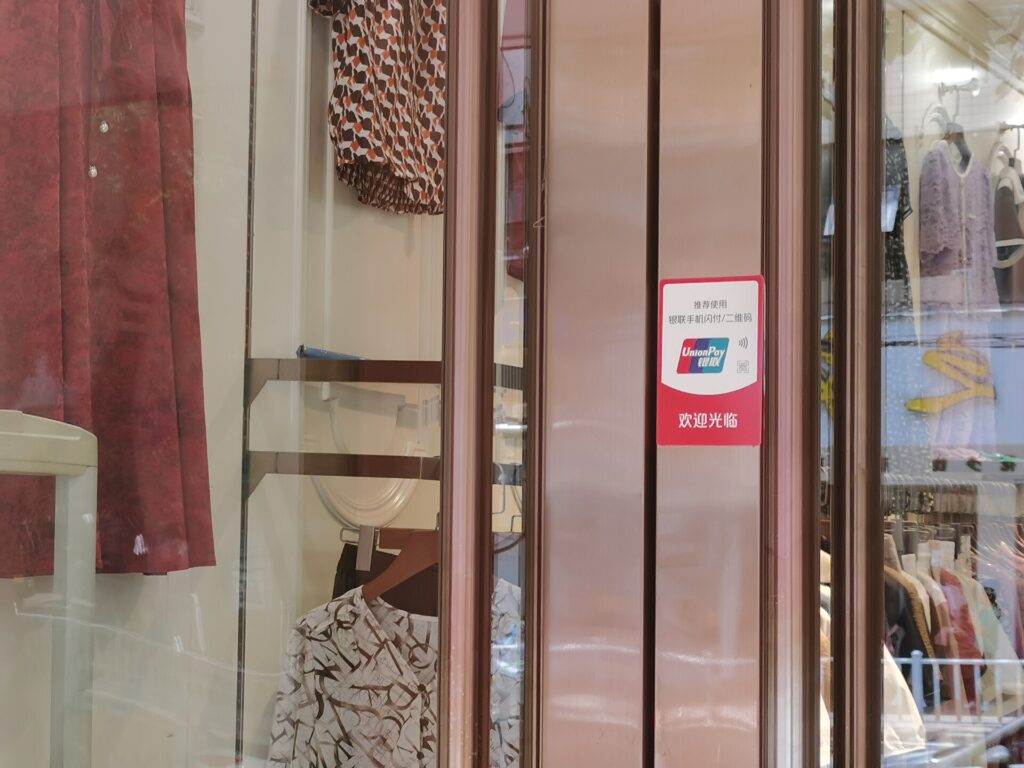
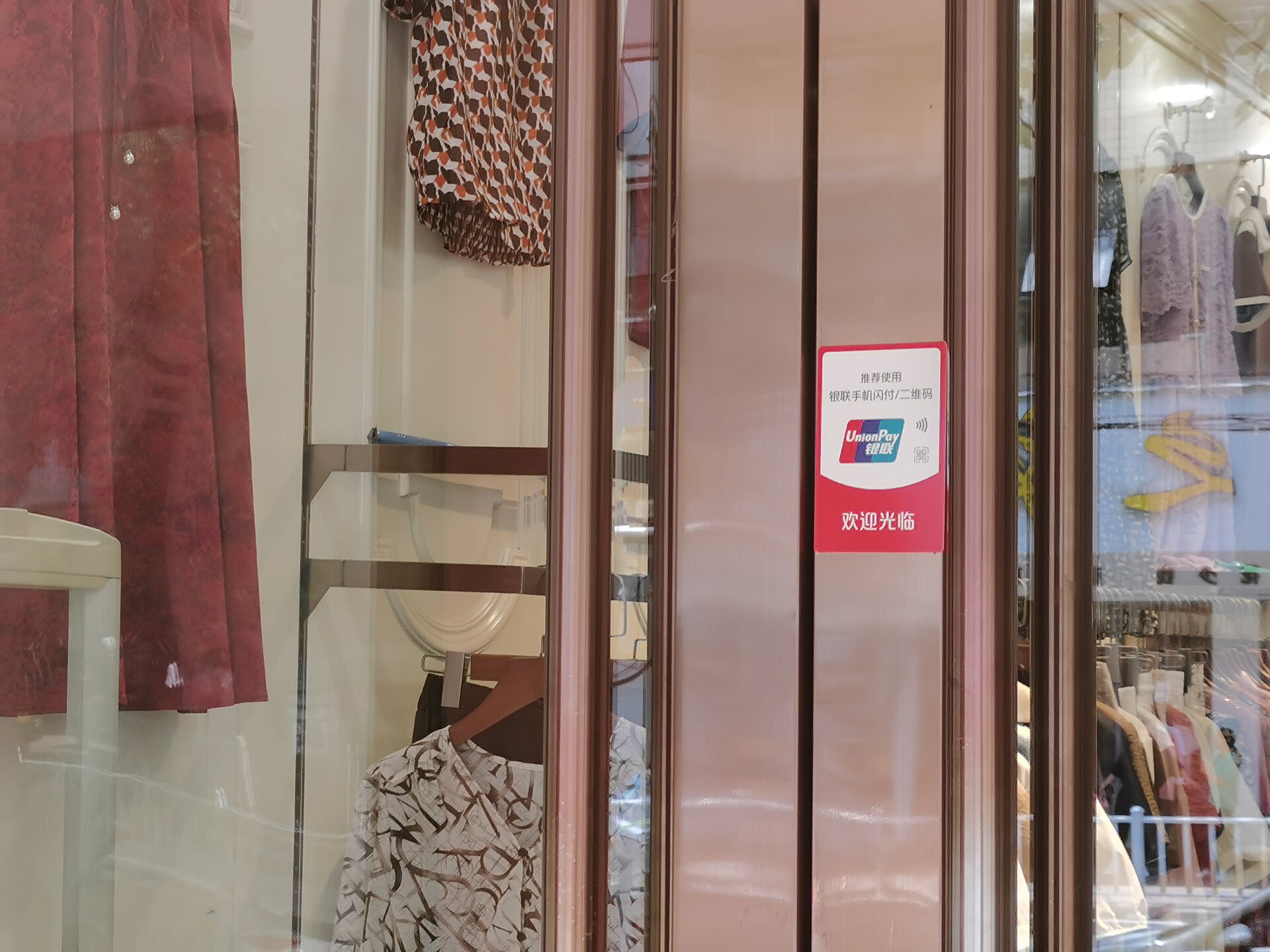
Image: 彩色琪子, CC BY-SA 3.0, via Wikimedia Commons