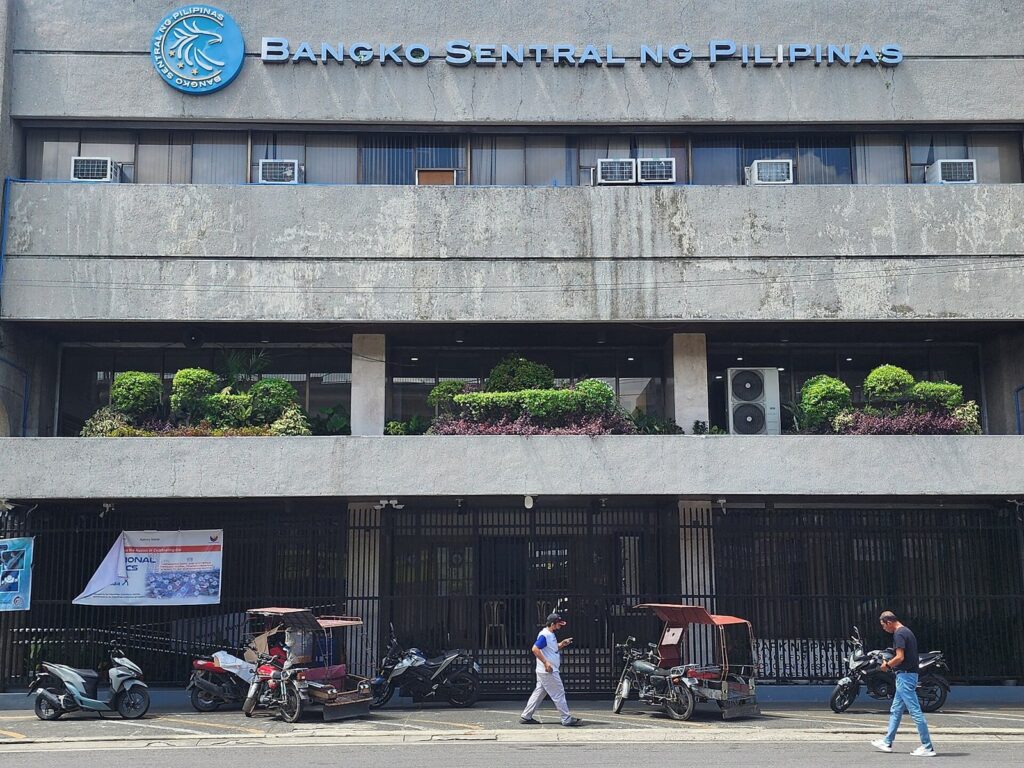
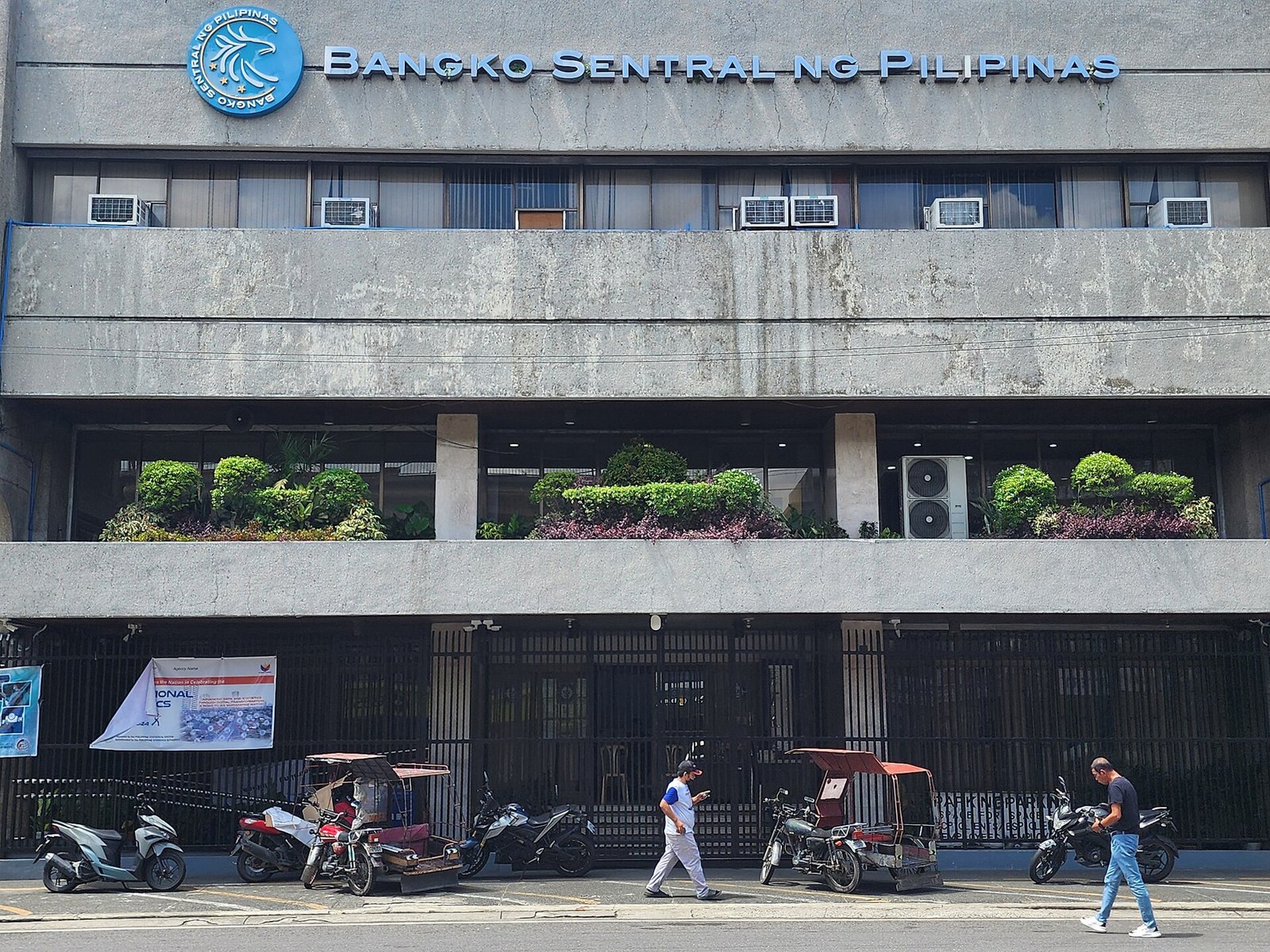
The Bangko Sentral ng Pilipinas (BSP) has published draft rules that would let licensed third parties offer payment initiation from customer bank and e-money accounts. The same draft circular would formalise clearing sponsorship, so smaller supervised institutions can reach the automated clearing houses of the National Retail Payment System through a larger direct participant.
A payment initiation service provider (PISP) would need a certificate of authority from the BSP and minimum capital of P5 million. Banks and e-money issuers would file a PIS report to obtain one; other firms must apply for prior authorisation at least 30 business days before starting. A PISP may not receive or hold customer funds, must have the payer’s explicit consent, and loses its certificate if it does not start operating within six months. The service could not be used for payments to casinos and gaming firms, licensed virtual asset service providers, money service businesses or adult-goods merchants.
Under clearing sponsorship, an indirect clearing participant signs a written agreement with a clearing sponsor institution, which must vet it, manage liquidity risk and keep its transactions separately traceable. The indirect participant keeps responsibility for its customers and anti-money laundering checks. Comments are due by December 11, and the final circular would take effect 15 days after publication.
- PISP minimum capital: P5 million
- Non-bank application fees: P10,000 filing, P20,000 approval
- Deadline to start after authority: 6 months
- Comment deadline: December 11, 2026
Why it matters: The draft gives the Philippines a licensing route for account-to-account checkout and bill payment by firms that never touch customer money, the model the EU opened up for payment initiation under PSD2. The carve-outs keep it away from crypto purchases, remittances and foreign exchange. Clearing sponsorship will matter most to smaller banks and e-money issuers outside the clearing houses, and the fees large banks charge as sponsors will decide how many join.
Source: BusinessWorld, November 22, 2026; Philippine Daily Inquirer, November 23, 2026; The Philippine Star, November 23, 2026
Image: Herbertkikoy, CC BY-SA 4.0, via Wikimedia Commons