Thailand’s House finance committee has asked the Securities and Exchange Commission (SEC) to postpone its draft stablecoin rules, which would confine USDT and USDC transfers through licensed platforms to a customer’s own verified accounts and cap them at 5 million baht a day. The committee has invited SEC officials to explain the draft at Parliament on December 24.
The request came in an urgent letter dated November 26, the day the SEC consultation closed, signed by committee chairman Juti Krairiksh. The draft exempts market makers, operators’ own business accounts and firms the Bank of Thailand approves case by case. The SEC has said more than 99% of investors transact below the cap.
The committee says it supports the anti-money laundering goal but disputes the method. Its letter argues that scammers can have victims withdraw coins to their own wallets first and then send them on, and that the own-account rule would block family remittances and freelance income from abroad. Citing public data, it says about 31% of roughly 200 billion baht of USDT trading over five months came from a few dozen traders, each above 1 billion baht. It proposes risk-based limits for each customer instead of a flat cap.
Figures at a glance:
- Proposed cap: 5 million baht a day, inbound and outbound counted separately, per operator
- USDT share of Thai digital asset trading value: 61% in September and October (committee letter)
- SEC hearing at Parliament: December 24
Why it matters: USDT is now the most traded asset on Thai exchanges, so a hard cap that falls on a few dozen large traders could push a large share of volume to offshore platforms or peer-to-peer channels that Thai supervisors cannot see. The SEC has not said whether it will accept the delay. Baht stablecoins under the Bank of Thailand framework would sit outside the cap, which would tilt the field toward the central bank’s own model.
Source: Securities and Exchange Commission, Thailand, November 12, 2026; MGR Online, November 27, 2026; Bitcoin Addict, November 27, 2026; Bangkok Post, November 19, 2026
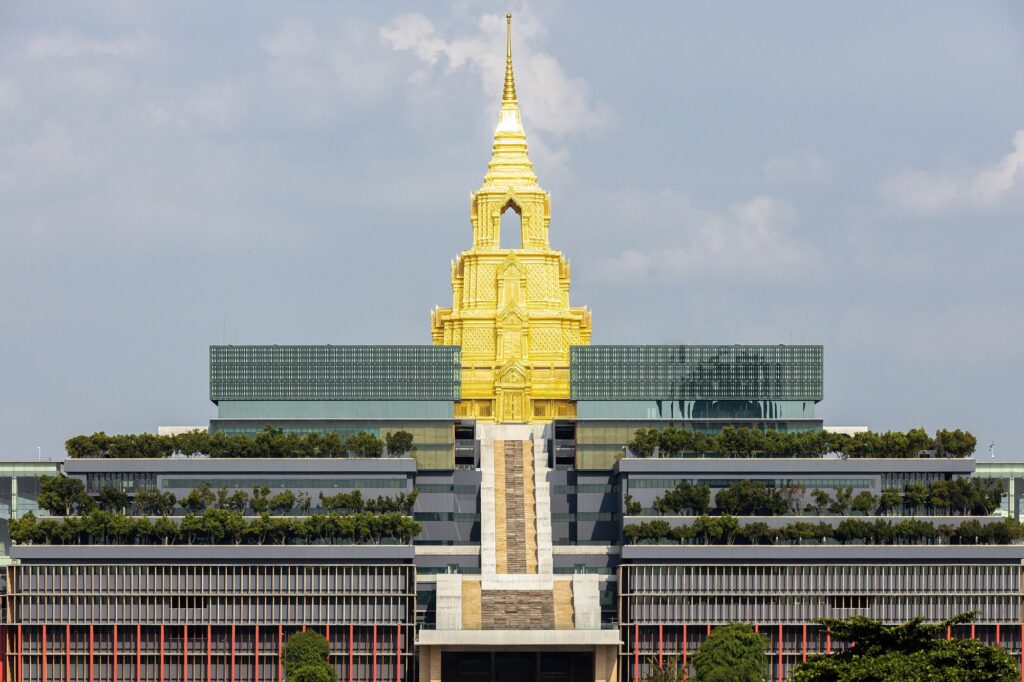
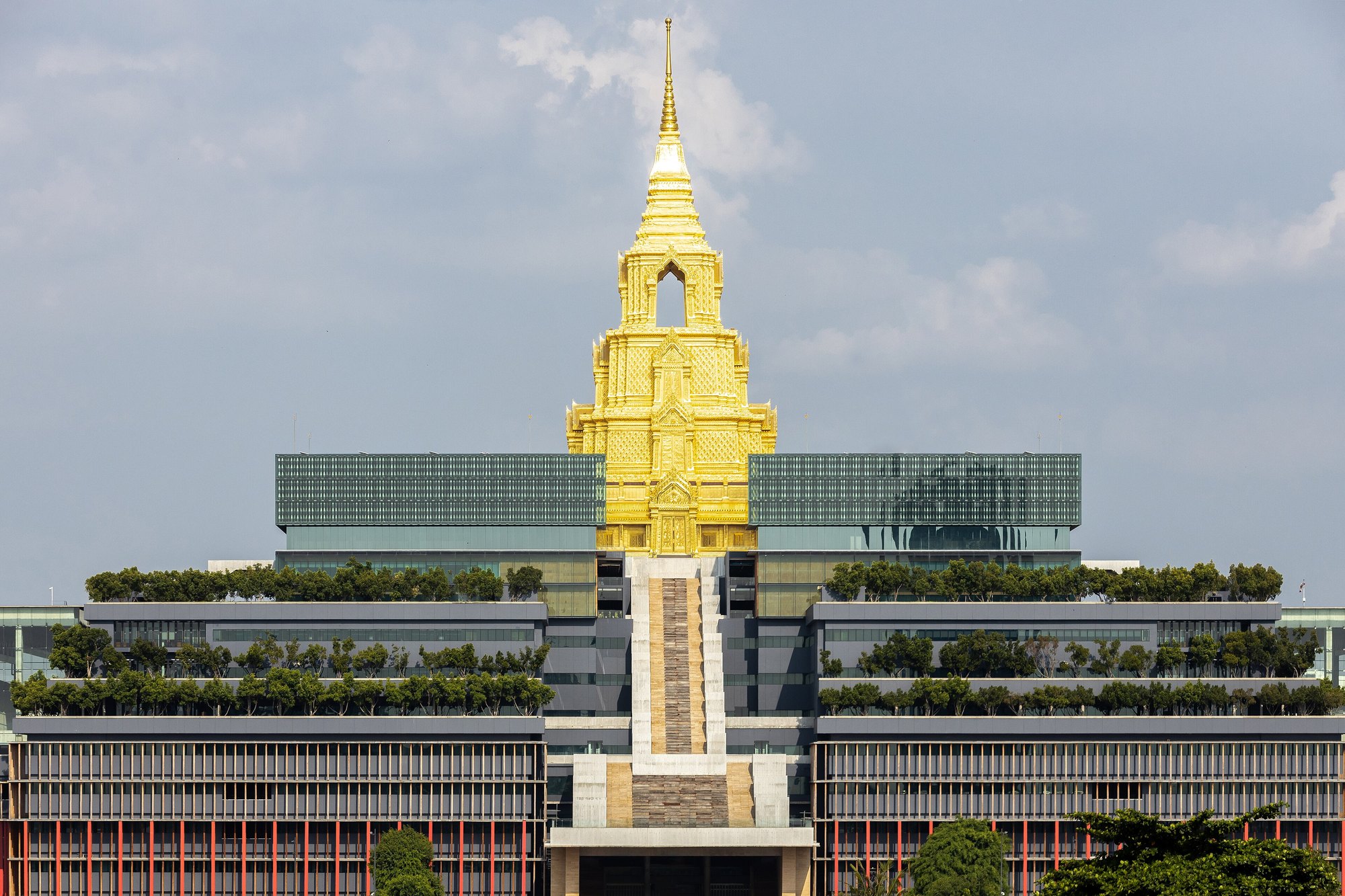
Image: Supanut Arunoprayote, CC BY 4.0, via Wikimedia Commons